info@directchinaguide.com
ads@directchinaguide.com

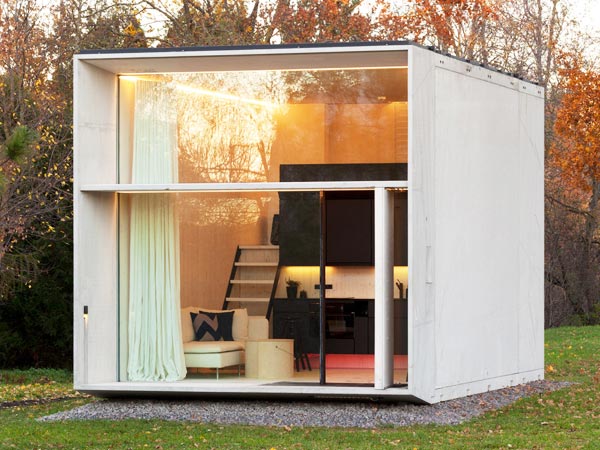

The global construction landscape is undergoing a massive paradigm shift, driven by a pressing need for efficiency, predictability, and environmental sustainability. At the forefront of this evolution is the industrialization of building production. Driven by ambitious national industrialized building mandates and a massive surge in international export volume, the Chinese prefabricated housing sector has transformed from a low-cost temporary shelter niche into an advanced, high-precision engineering ecosystem.
For international buyers, developers, and entrepreneurs investigating off-site construction, understanding the core manufacturing context, structural adaptability, and logistical frameworks of a prefab house from China is essential before committing capital. This comprehensive guide covers the foundational elements of the market, exploring how factory-controlled construction navigates diverse climates, complex logistics, and tight project schedules.
1. Geographic & Market Context: The Chinese Powerhouse
China’s internal market spans vast geographic zones—ranging from the highly humid, typhoon-prone subtropical coastal provinces like Guangdong to the arid, high-altitude inland regions of the west and the subarctic northern climates bordering Siberia. Building a permanent structure in this vast territory requires extreme engineering flexibility. Prefabricated housing solutions have evolved precisely to meet these diverse structural demands while complying with strict localized building regulations.
Simultaneously, the industry is heavily backed by national policy. Government quotas push for structural industrialization—with major metropolitan hubs like Shanghai and Shenzhen driving rapid adoption rates for modular building systems. This domestic scaling has triggered an unprecedented export boom. According to Chinese customs records, exports of prefabricated steel modular building units (under HS code 940620) experienced a staggering triple-digit year-on-year surge, highlighting the global demand for turnkey structural solutions.
Rather than sending raw materials with low added value, modern Chinese manufacturers operate advanced, tech-enabled smart factories. These facilities yield fully integrated volumetric modules complete with pre-installed insulation, embedded plumbing, structural steel framing, and interior finishes before they ever touch an ocean container.
2. Climate Resistance: Engineering for Global Microclimates
One of the most common misconceptions among broad searchers is that prefab houses are fragile, one-size-fits-all kits. In reality, the diversity of regional climates within China has forced manufacturers to pioneer highly adaptable structural specifications.
When configuring a prefab house, professional engineering teams design region-specific envelope assemblies tailored to the destination site’s microclimate:
- Coastal & Tropical Environments: High-humidity zones require advanced corrosion protection for structural steel components, heavy-duty weatherproofing, and specialized moisture management membranes to prevent thermal degradation and mold growth.
- Cold Northern Regions: Sub-zero operation requires enhanced envelope durability, airtightness detailing, and high-performance thermal insulation packages to minimize heat loss and prevent thermal bridging.
- High-Wind & Seismic Zones: Volumetric modules are constructed with robust, interconnected structural steel skeletons engineered to withstand localized wind loads and seismic variables far more reliably than traditional, unreinforced masonry.
Addressing vital variables like ventilation strategy, advanced window glazing specifications, and envelope drainage planning early in the factory design phase ensures that a prefabricated home maintains structural integrity over a long service life.
3. Logistics Advantages: Overcoming Supply Chain Disruptions
Conventional, on-site construction projects are notoriously vulnerable to supply chain friction, material inflation, and unpredictable weather delays. Modular and panelized construction systems fundamentally simplify project economics by converting unpredictable field variables into predictable factory logistics.
[Smart Factory Manufacturing]  ───>  [Precise Packaging & Container Loading]
               │                                      │
               ▼                                      ▼
[Simultaneous Site Preparation] ───> [Hoisting, Assembly & Commissioning]
By manufacturing components inside an enclosed facility, builders achieve massive supply-planning advantages. In large, dense urban areas or constrained peri-urban development corridors where storage space is non-existent, flat-pack or volumetric units can be delivered on a precise “just-in-time” schedule, eliminating the need for vast storage yards.
For remote, infrastructure-poor environments, modular shipment planning minimizes the endless stream of fragmented, small-batch material deliveries that frequently stall traditional builds. Components are carefully labeled, securely packed, and optimized for maritime or overland container dimensions, ensuring a predictable line-item cost for transit and dramatically lowering material waste on the final jobsite.
4. Speed of Installation: Shifting Timelines Out of the Field
The primary catalyst driving global interest in a prefab house built in China is the compressed project schedule. Traditional construction operates linearly: foundation work must conclude before walls are framed, and interior fit-outs cannot begin until the building envelope is entirely sealed.
Modular construction completely reshapes this workflow by enabling parallel processing:
- Parallel Workflows: While civil contractors are executing site excavation, utility clearing, and foundation pouring at the project site, the factory production lines are simultaneously building the walls, ceilings, and internal mechanical, electrical, and plumbing (MEP) infrastructure.
- Rapid Enclosure: Once the modules arrive on-site, they are rapidly hoisted, aligned with millimeter-level precision, and anchored to the foundation. This installation process routinely cuts overall construction cycles by up to 60 percent compared to traditional brick-and-mortar builds.
- Risk Mitigation: Achieving a rapid, watertight enclosure within days—rather than months—significantly mitigates exposure to seasonal weather hazards, shortens the timeline required for secondary structural inspections, and allows interior finish trades to begin commissioning workflows immediately.
5. Summary: Key Takeaways for International Buyers
For serious researchers executing preliminary due diligence on Chinese prefab manufacturing, the primary lesson is clear: value lies in specification transparency and factory verification. The Chinese market provides unparalleled scalability, structural reliability, and rapid execution, but success requires matching the manufacturer’s engineering output to the exact climate codes and regulatory requirements of your destination market.
By shifting the heavy manual trades off-site and into automated industrial settings, modular housing provides a predictable path to building high-quality residential and commercial spaces on a highly accelerated timeline.