info@directchinaguide.com
ads@directchinaguide.com

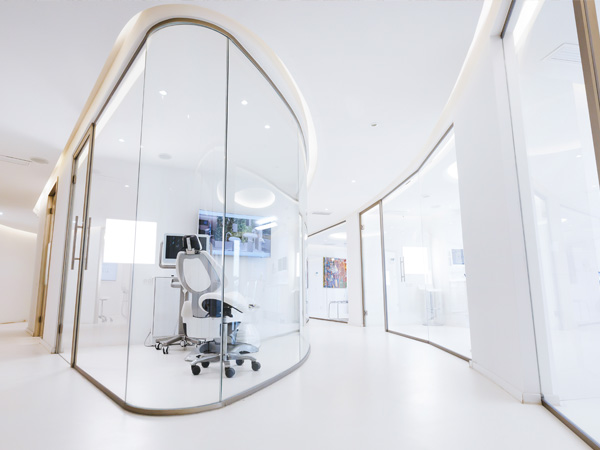

For years, the formula for dental tourism was simple: catch a flight, get a cheap procedure, and hope for the best. However, as major restorative treatments like full-mouth dental implants or custom porcelain veneers become increasingly expensive in the West, patients are looking past traditional destinations and turning their attention to East Asia.
China has quietly transformed into a global powerhouse for high-tech medical and dental treatments. By combining state-of-the-art digital infrastructure with incredibly competitive pricing, top-tier Chinese facilities offer international patients a modern, efficient, and highly precise approach to oral health.
Yet, for many patients “testing the waters,” the primary hurdle isn’t the distance—it’s trust. Is it safe? Are the standards comparable to what you would find at home? This guide dismantles those concerns by looking directly at the clinical quality, advanced technology, and professional regulations governing modern Chinese dental tourism.
1. Safety and Regulations: The Foundation of Patient Trust
The most common concern for international patients is clinical safety. To regulate its rapidly expanding healthcare landscape, China utilizes a strict, tiered hospital ranking system alongside global oversight bodies to maintain pristine clinical environments.
International Accreditations and the Tier System
When researching care in China, you will frequently encounter terms like Grade 3 (Tertiary) Hospitals or AAA-level medical accreditation. These are government-vetted classifications indicating the highest level of comprehensive medical care, bed capacity, and clinical safety in the country.
Furthermore, premium clinics catering to expatriates and international travelers specifically seek out global gold standards:
- JCI (Joint Commission International): Clinics in tier-one hubs like Shanghai, Beijing, Shenzhen, and Guangzhou frequently hold JCI accreditation, guaranteeing that sterilization, patient safety, and clinical protocols meet or exceed strict Western baselines.
- ISO & GCR Certification: Leading clinics ensure their equipment, manufacturing processes, and structural hygiene align with ISO standards and Global Clinic Rating (GCR) metrics, which objectively evaluate patient safety and treatment outcomes.
Strict Sterilization Protocols
Top-tier facilities utilize independent, centralized sterilization units. Every piece of equipment undergoes multi-stage chemical and thermal processing, completely mitigating the risk of cross-contamination—a fundamental reassurance for anyone traveling abroad for surgery.
2. Next-Gen Tech: The “Smart Dentistry” Revolution
Where China truly separates itself from other global dental hubs is its aggressive integration of Artificial Intelligence (AI) and digital infrastructure. For a dental tourist, advanced technology isn’t just about prestige; it directly translates to shorter trip durations, fewer required visits, and immense precision.
AI-Powered Diagnostics and 3D Imaging
Top clinics utilize Cone Beam Computed Tomography (CBCT) 3D scanners and intelligent AI diagnostic systems. Upon arrival, an intraoral scan and 3D X-ray can map your entire mouth in minutes. AI algorithms can instantly identify structural anomalies, simulate orthodontic outcomes, and map precise nerve locations to generate tailored treatment plans within a single consultation.
Vertically Integrated CAD/CAM and On-Site Labs
In conventional Western practices, getting a crown or bridge involves taking messy physical molds, sending them to an external laboratory, and waiting weeks for the final product.
Premium international centers in China operate massive, in-house CAD/CAM (Computer-Aided Design/Manufacturing) milling laboratories. Using 3D-printed digital impressions, your zirconia crowns, porcelain veneers, or surgical implant guides can be designed, milled, and custom-fitted right at the chairside. This means complex restorative work that normally takes a month can often be safely completed in a matter of days.
3. Dentist Qualifications: Education, Training, and Communication
A clinic is only as good as the clinician holding the drill. The human element of China’s dental ecosystem relies on high academic thresholds and specialized international training.
Rigid Educational Pipelines
Dentists operating in reputable international clinics aren’t just general practitioners. Many are active members or affiliates of prestigious groups like the Chinese Stomatological Association or the International College of Dentists. To practice at this level, specialists complete rigorous multi-year university tracks, often followed by Master’s or Ph.D. programs focusing exclusively on subfields like implantology, periodontics, or digital smile design.
Global Experience and Language Accessibility
The fear of a language barrier is a massive deterrent for medical tourists. Recognizing this, high-end international departments are staffed explicitly to cater to global travelers:
- Overseas Training: A significant percentage of lead physicians are returning doctors who completed fellowships, residencies, or advanced training in the US, Europe, or Australia.
- Multilingual Support Staff: Dedicated international departments provide fluent, bilingual patient coordinators. From your initial virtual assessment to real-time translation during surgery, communication remains clear, transparent, and seamless.
4. Financial Clarity and International Insurance
A common pitfall of dental tourism in some countries is the hidden “foreigner tax” or confusing pricing schemes. The modern Chinese international dental market prioritizes structural transparency.
Many premium dental chains implement transparent, unified pricing structures for both local and international patients, entirely eliminating hidden premiums. Furthermore, established expat-focused clinics have spent years cultivating direct billing networks with mainstream international health insurance providers. They routinely generate bilingual medical records, digital imaging files, and breakdown invoices that explicitly comply with overseas claims standards, making cross-border reimbursement straightforward.
Choosing the Right Path: A Quick Safety Checklist
If you are considering traveling to China to restore your smile, protect your investment by validating your prospective clinic against these five criteria:
| Verification Check | What to Look For |
| 1. International Credentials | Check for explicit JCI, ISO, or GCR certifications on their official portals. |
| 2. Materials Transparency | Ensure they use verifiable, globally recognized implant and crown brands (e.g., Straumann, Nobel Biocare, Ivoclar E-max). |
| 3. Integrated Infrastructure | Prioritize clinics with on-site CBCT 3D scanners and in-house CAD/CAM milling to minimize your travel timeline. |
| 4. Communication Channels | Confirm the presence of a dedicated, English-speaking international department before booking. |
| 5. Structured Warranties | Obtain written documentation detailing the lifespan and local maintenance terms of your crowns or implants. |
The Verdict
China’s emergence as a premier dental tourism destination is built on a foundation of clinical excellence, hyper-efficient AI workflows, and strict international standards. By doing thorough preliminary research and aligning yourself with accredited, tech-forward institutions, you can access world-class oral care at a fraction of Western costs—all without compromising your peace of mind.