info@directchinaguide.com
ads@directchinaguide.com

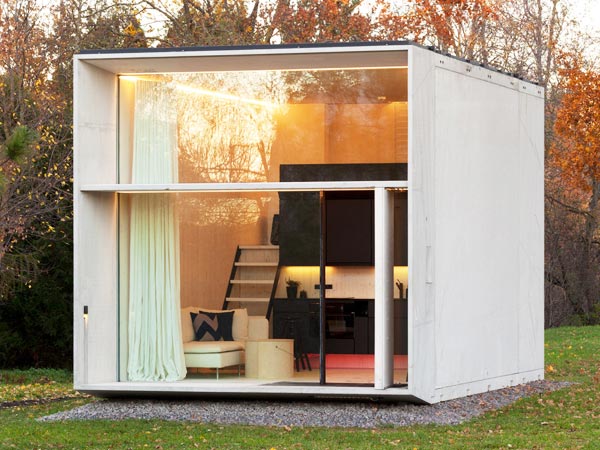

As global industries face escalating labor costs and tighter project deadlines, commercial developers and enterprise buyers are rapidly abandoning traditional brick-and-mortar methodologies. In the B2B sector, structural steel prefabricated building systems have emerged as the standard for scaling commercial infrastructure.
From massive multi-site logistics hubs to high-density workforce accommodations, China’s commercial prefab manufacturing sector offers deep industrial scalability. This article breaks down the engineering frameworks, deployment strategies, and use cases for large-scale steel and modular deployments.
1. Social Housing and Large-Scale Workforce Projects
Large-scale infrastructure developments—such as mining compounds, industrial special economic zones, and municipal social housing initiatives—frequently demand the rapid deployment of high-density, standardized living structures. Traditional construction methods fail under these constraints due to prolonged on-site assembly timelines and unpredictable field labor markets.
Prefabricated structural solutions solve this bottleneck by introducing hyper-repeatable, factory-controlled building units:
- Standardized Unit Deployment: Entire multi-story dormitory complexes or community micro-apartments are engineered as standardized volumetric unit types. These units are manufactured concurrently on factory lines with identical internal mechanical, electrical, and plumbing (MEP) layouts.
- Accelerated Delivery Schedules: Parallel processing allows civil site excavation and foundation pouring to occur at the deployment site while structural units are fully assembled and fitted out off-site. This systematically compresses delivery windows by up to 50 percent, allowing public and corporate developers to hit fixed occupancy targets.
- Minimal Urban and Environmental Disruption: In dense urban infill sectors or environmentally sensitive developing districts, the rapid assembly of factory-finished components drastically minimizes on-site dust, noise pollution, and heavy-equipment footprint, ensuring smoother municipal permitting and community compliance.
2. Prefab Steel Buildings: Factories, Warehouses, and Offices
The commercial utility of industrial prefabricated steel goes far beyond temporary accommodations. Heavy structural steel framing systems form the backbone of modern global logistics networks, automated manufacturing centers, and corporate office parks.
[Heavy H-Beam Steel Framing] ───> Engineered for High Dynamic Loads & Wind Exposure
               │
               ▼
[Insulated Sandwich Panel Shell] ───> Controls Thermal Performance & Moisture Ingress
               │
               ▼
[Clear-Span Open Floorplates] ───> Maximizes Warehouse Rack Storage & Industrial Cranes
For B2B buyers evaluating factory or logistics hub developments, modern prefab steel systems deliver critical structural advantages:
Structural Reliability & Custom Loading
Unlike residential light-gauge frames, commercial prefab steel structures utilize heavy, hot-rolled H-beams and engineered truss networks. These systems are custom-specified to handle extreme regional environmental stresses—including high seismic activity, intense coastal wind loads, and heavy snow accumulations in colder northern regions.
Operational Longevity & Corrosion Resistance
Industrial structures face harsh, continuous operating conditions. Premium commercial fabricators protect the core steel skeletons using heavy-duty hot-dip galvanization or specialized multi-layer epoxy coating systems. When paired with high-performance exterior envelope panels, these treatments effectively mitigate long-term degradation from coastal marine humidity or chemical airborne particulates.
Spatial Efficiency and Clear-Span Design
Warehousing, e-commerce fulfillment hubs, and heavy manufacturing lines require vast, column-free interior spaces to optimize machinery layouts and forklift thoroughfares. Prefabricated steel framing allows for massive “clear-span” designs that eliminate internal load-bearing supports, giving commercial operators complete floorplate flexibility.
Lifecycle Adaptability
A primary financial benefit of commercial prefab steel buildings is their inherent flexibility for future modification. As an enterprise grows, these structures can be easily expanded, retrofitted with internal mezzanine decks, or even entirely disassembled and relocated to a new industrial plot if supply chain demands shift.
3. Summary: Key Takeaways for Enterprise Buyers
For corporate buyers, commercial developers, and industrial entrepreneurs, the decision to deploy prefabricated steel structures is a matter of optimizing capital allocation and accelerating time-to-market. Success in large-scale cross-border projects hinges on establishing precise specification frameworks during the initial factory design phase. By ensuring the structural engineering aligns with your destination country’s heavy industrial zoning codes and loading requirements, prefab steel delivers a highly predictable, structurally superior asset built for decades of high-traffic commercial operation.