info@directchinaguide.com
ads@directchinaguide.com

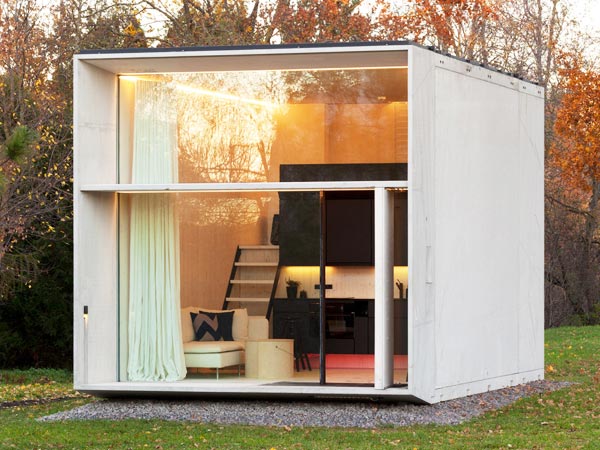

Modern prefabricated residential architecture is no longer restricted to rigid, monolithic structures. For resort owners, eco-conscious developers, and operators managing rapid-deployment land plots, flexibility is the ultimate competitive advantage.
The modern Chinese prefab ecosystem splits flexible housing into two primary categories: modular (scalable/permanent) structures and mobile (relocatable/temporary) units. Understanding the operational, structural, and regulatory distinctions between these options is essential for choosing the right asset class for your project.
1. Modular Homes: Scalable & Expandable Layouts
Modular homes represent the premium tier of flexible architecture, utilizing fully integrated three-dimensional volumetric units. Unlike traditional building methods that lock an operator into a fixed footprint, modular building systems act as a scalable, living asset class.
 [Base Module: Core Living] ───> Add Horizontal Module ───> Expand Living/Dining Space
              │
              ▼
    Add Vertical Module
              │
              ▼
 [Two-Story Multi-Unit Structure]
Phased Capital Expenditure
Developers can minimize upfront capital risk by deploying small core modules initially. As a business scales, extra income is generated, or a household grows, supplementary modules can be shipped and bolted onto the existing structure horizontally or stacked vertically.
Creative Architectural Layouts
Advanced factory production lines can craft modules with non-centralized, artistic layouts that avoid the standard “box-like” appearance of older prefab generations. This flexibility allows for large architectural glass windows, integrated internal courtyards, and staggered multi-unit orientations.
Reduced Material Waste
Because modules are assembled inside highly automated factories using rigorous quality-control frameworks, material consumption is highly optimized. This controlled construction process makes volumetric modular homes the preferred choice for eco-conscious builders looking to minimize their environmental footprint.
2. Mobile Homes: Temporary, Tourism, & Site Housing
Where modular homes favor long-term scalability, mobile homes are engineered for immediate deployment, high relocatability, and seasonal asset management. These units are built onto heavy-duty chassis or rigid steel sleds, bypassing the need for permanent civil concrete foundations.
- Tourism & Glamping Operations: For resort owners operating in highly regulated scenic zones, eco-resorts, or coastal beaches, pouring concrete is often legally impossible or environmentally damaging. Fully outfitted mobile luxury capsules can be dropped onto light screw-piles or gravel pads within hours, generating immediate room revenue.
- Industrial Site Housing: On remote industrial sites, civil works projects, or mining corridors, mobile units provide durable, climate-resilient staff accommodations. When the local project concludes, the units are easily unhooked from utilities, loaded back onto trailers, and transported to the next job site.
- Practical Climate Measures: Modern mobile units built in China are equipped with high-density polyurethane insulation, double-glazed windows, and integrated HVAC systems. This setup ensures that temporary worker housing or luxury glamping suites remain completely safe and comfortable, even in extreme regional environments.
3. Sourcing and Evaluating Manufacturers: The Checklist
Closing a cross-border procurement deal for modular or mobile homes requires rigorous due diligence. Use this structural checklist when auditing potential Chinese manufacturing partners:
– Structural Compliance & Engineering Prints
Does the factory employ in-house engineers who can output structural calculation drawings that comply with your local municipal building codes? Verify wind-load configurations and seismic ratings before depositing funds.
– Material & Certification Transparency
Insist on a line-item breakdown of all core materials. Ensure that insulation cores feature appropriate fire-retardant classifications and that all internal electrical and plumbing (MEP) components carry international safety stamps (such as UL, CE, or WaterMark) required by your local inspectors.
– Commercial Incoterms & Delivery Scope
Verify the exact commercial terms of your quote. Does the price reflect an EXW factory floor rate, or is it an FOB port-side rate? Ensure the quotation explicitly clarifies what shipping protections, transition packaging, and specialized foundation anchoring systems are included in the final price.
– Factory Quality Control Inspections
Does the manufacturer permit third-party quality assurance testing or real-time digital assembly line walkthroughs before packaging? Performing deep-dive due diligence on structural envelope performance prior to shipping is the only reliable way to protect your margins and ensure a flawless on-site deployment.